Architectural Insights & Design Journal
Sustainable Architecture in Bali: Designing for a Greener Future
The Growing Importance of Sustainable Architecture in Bali
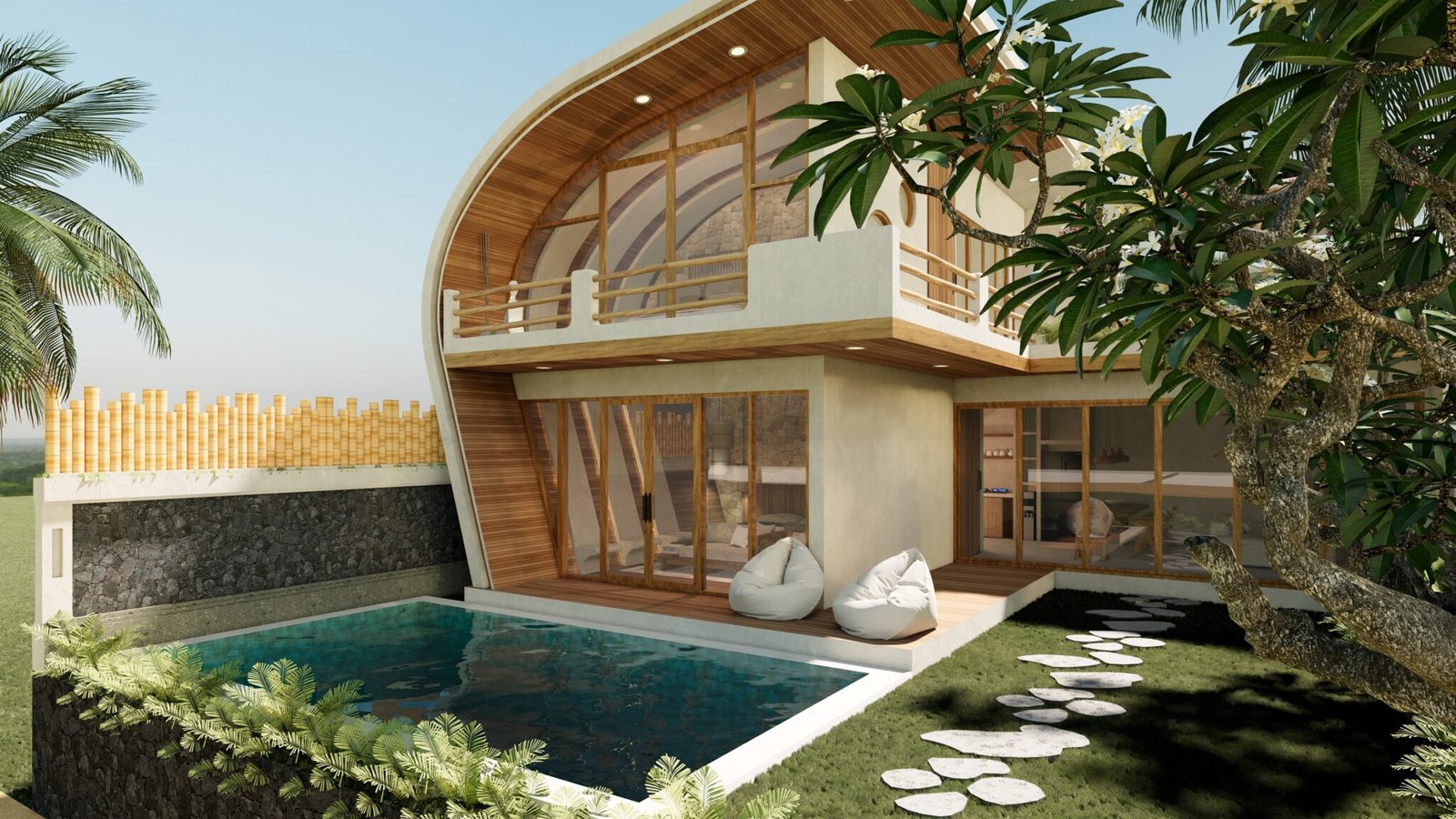
Bali’s rapid development in residential properties, private villas, hotels, and commercial buildings has increased the importance of sustainable architecture. As the island continues to attract property investors and developers, creating buildings that consider environmental impact, energy efficiency, and long-term functionality has become increasingly relevant. Sustainable architecture offers an approach that balances modern construction needs with the preservation of Bali’s natural surroundings.
Incorporating sustainable principles into building design involves making thoughtful decisions about materials, energy consumption, water management, and the use of natural resources. Rather than focusing solely on appearance, sustainable buildings are designed to provide comfortable environments while reducing unnecessary environmental impact.
Key Elements of Sustainable Building Design
Sustainable architecture combines several design considerations to create buildings that are environmentally responsible and functional. In Bali’s tropical climate, architectural planning should respond to local environmental conditions while maximizing the efficient use of available resources.
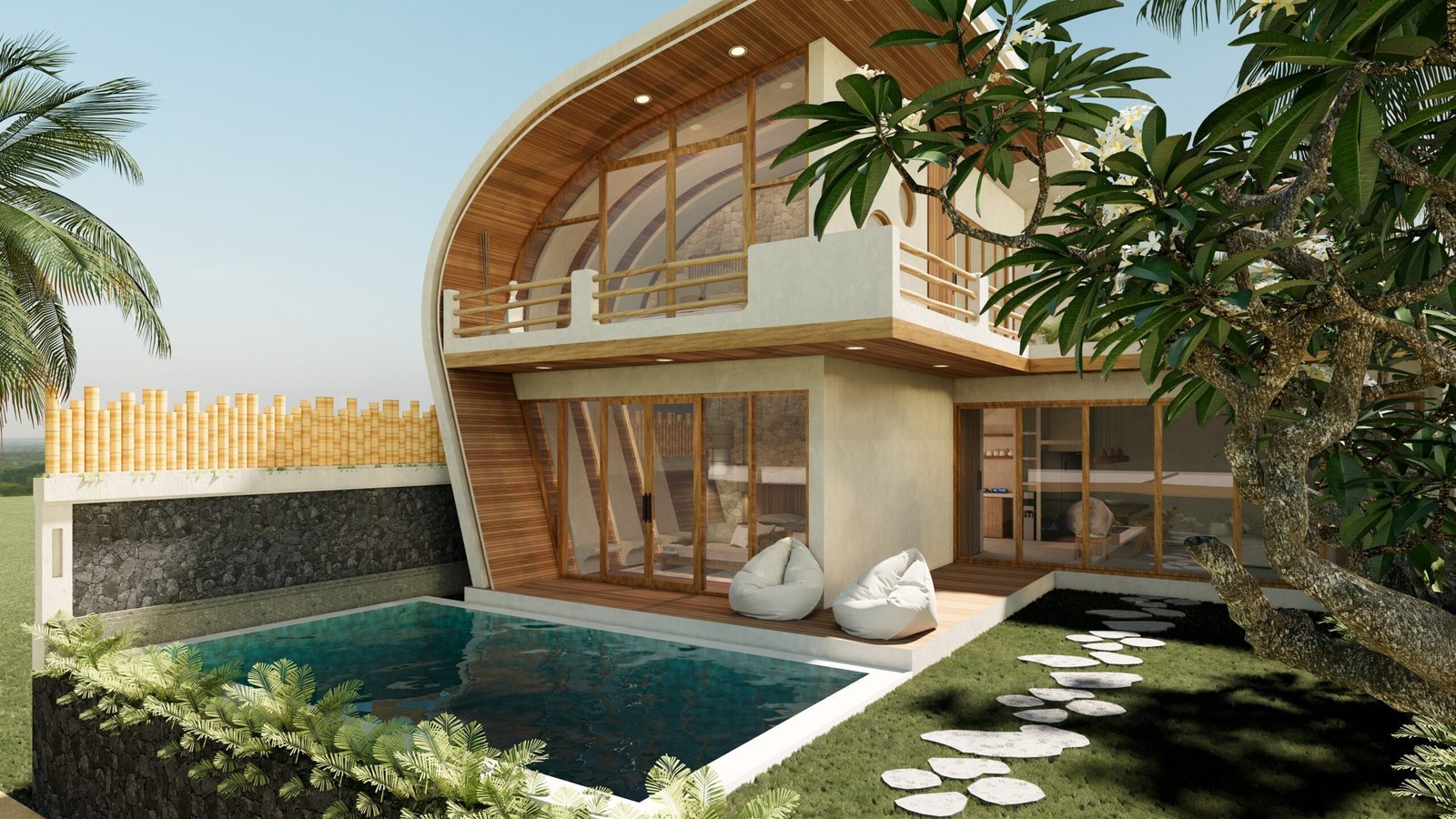
Natural ventilation and daylight are important elements of sustainable design. Proper building orientation, strategically placed windows, and open spaces can help improve airflow and reduce the need for artificial lighting and mechanical cooling. Material selection is equally important, as choosing suitable and durable materials can contribute to building longevity and reduce maintenance requirements.
Water efficiency is another important consideration, particularly in areas where water resources require careful management. Rainwater collection systems, efficient plumbing fixtures, and thoughtful landscape planning can help reduce unnecessary water consumption. Together, these elements contribute to more efficient and environmentally conscious buildings.
The Role of Architectural Planning in Sustainable Construction
Successful sustainable construction begins during the planning and design stages. Architectural decisions influence how a building uses energy, responds to weather conditions, and interacts with its surroundings. Therefore, considering sustainability from the beginning can help avoid unnecessary adjustments and improve the overall efficiency of a project.
Structural planning, material specifications, spatial arrangements, and environmental considerations should work together to support the building’s intended purpose. Proper coordination between architectural and structural design is also essential to ensure that sustainability goals are supported by practical and reliable construction solutions.
Building a Better Future with A1 Bali Design
Creating sustainable spaces requires a thoughtful approach that considers both present needs and future benefits. At A1 Bali Design, architectural planning and design are important parts of developing spaces that balance aesthetics, functionality, and the surrounding environment.
Whether developing a private residence, villa, or commercial property, every project presents an opportunity to incorporate thoughtful design decisions that support comfort, efficiency, and long-term value. By giving attention to architectural concepts, structural considerations, and material selection, property owners can work toward creating buildings that are both practical and visually appealing.