Architectural Insights & Design Journal
Modern Tropical Interior Design: Creating Elegant and Functional Spaces in Bali
The Rise of Modern Tropical Interior Design
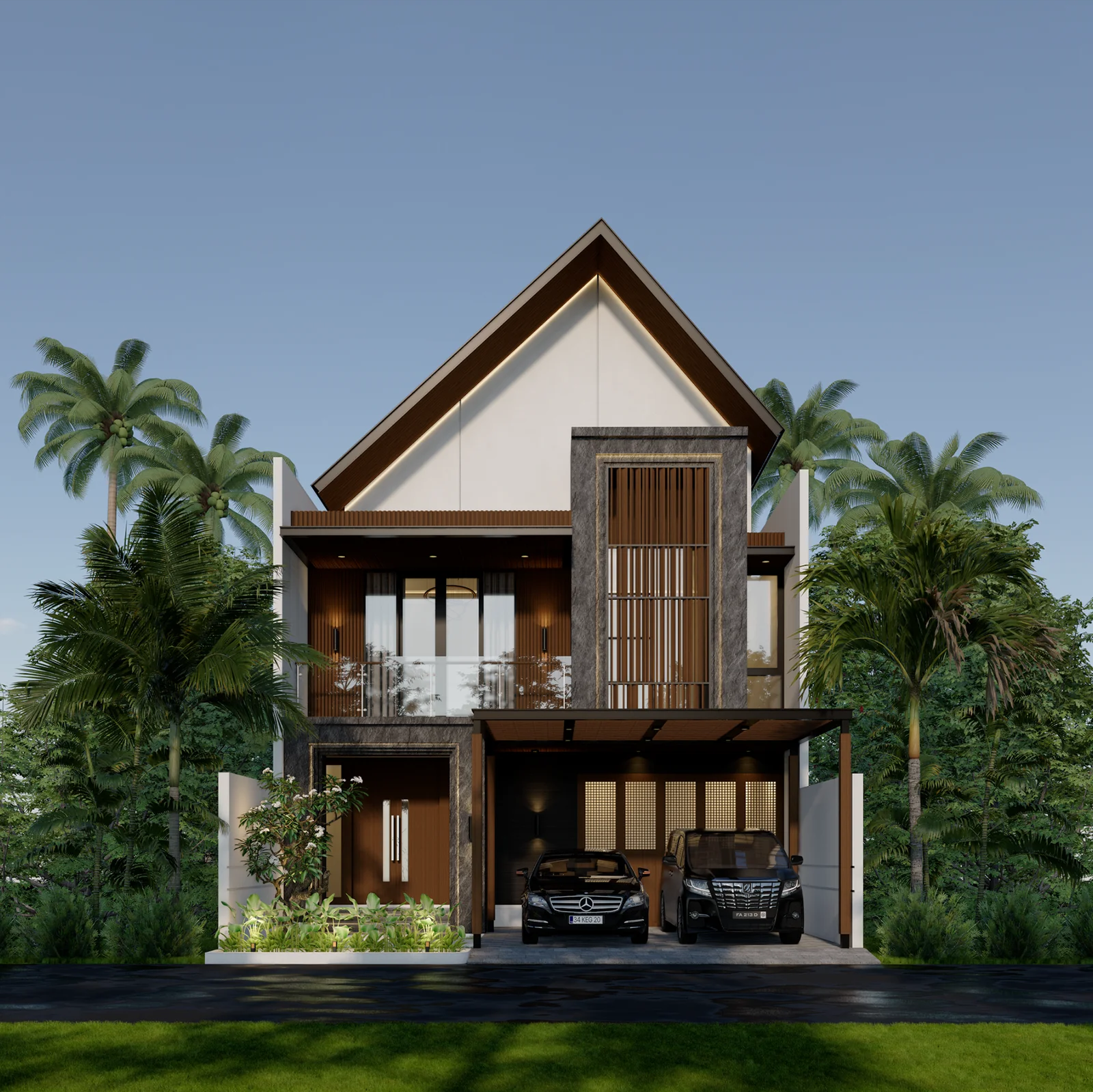
Modern tropical interior design has become an increasingly popular choice for residential properties, private villas, and commercial spaces in Bali. This design approach combines contemporary aesthetics with natural elements to create interiors that feel comfortable, elegant, and connected to the surrounding environment. By incorporating natural textures, open spaces, and carefully selected color palettes, modern tropical interiors offer a balance between simplicity and sophistication.
In Bali, interior design is often inspired by the island’s natural beauty, cultural character, and tropical atmosphere. Homeowners and property developers are increasingly interested in spaces that reflect these elements while maintaining modern functionality. The result is an interior style that feels timeless, welcoming, and suitable for contemporary living.
Natural Materials, Textures, and Harmonious Colors
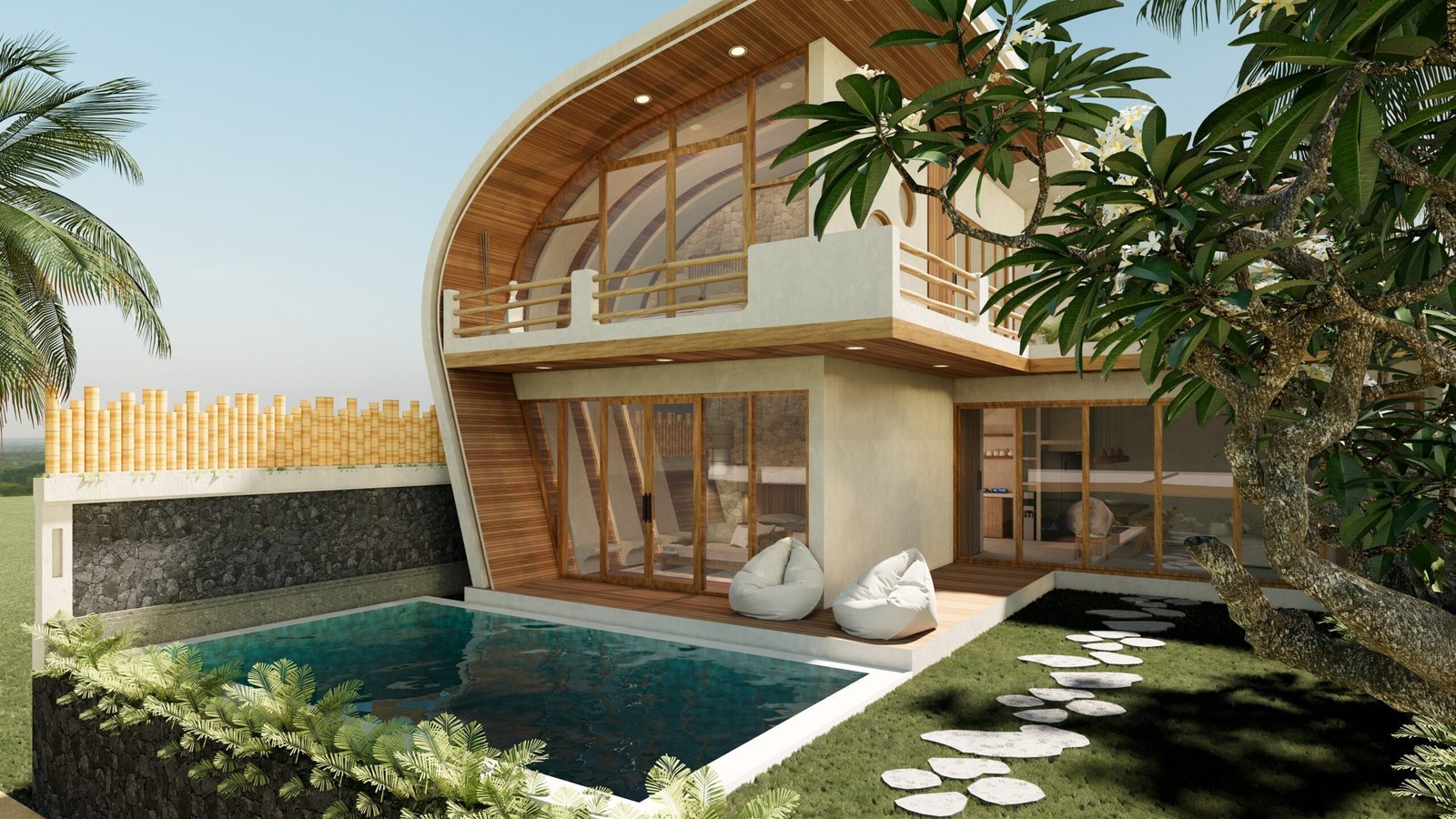
Material selection plays an important role in interior design. Modern tropical interiors often use natural materials such as wood, stone, bamboo, rattan, and linen. These materials add warmth and texture while creating a connection with nature. Wooden furniture can make a room feel warmer, while natural stone finishes add an elegant touch.
Color selection is equally important. Neutral shades such as beige, cream, white, and warm grey create a relaxing atmosphere. These colors work well with natural materials and decorative elements. Combining different textures and finishes also adds visual depth. Maintaining a consistent color palette helps create a balanced and harmonious interior.
Lighting, Space Planning, and Functional Interior Design
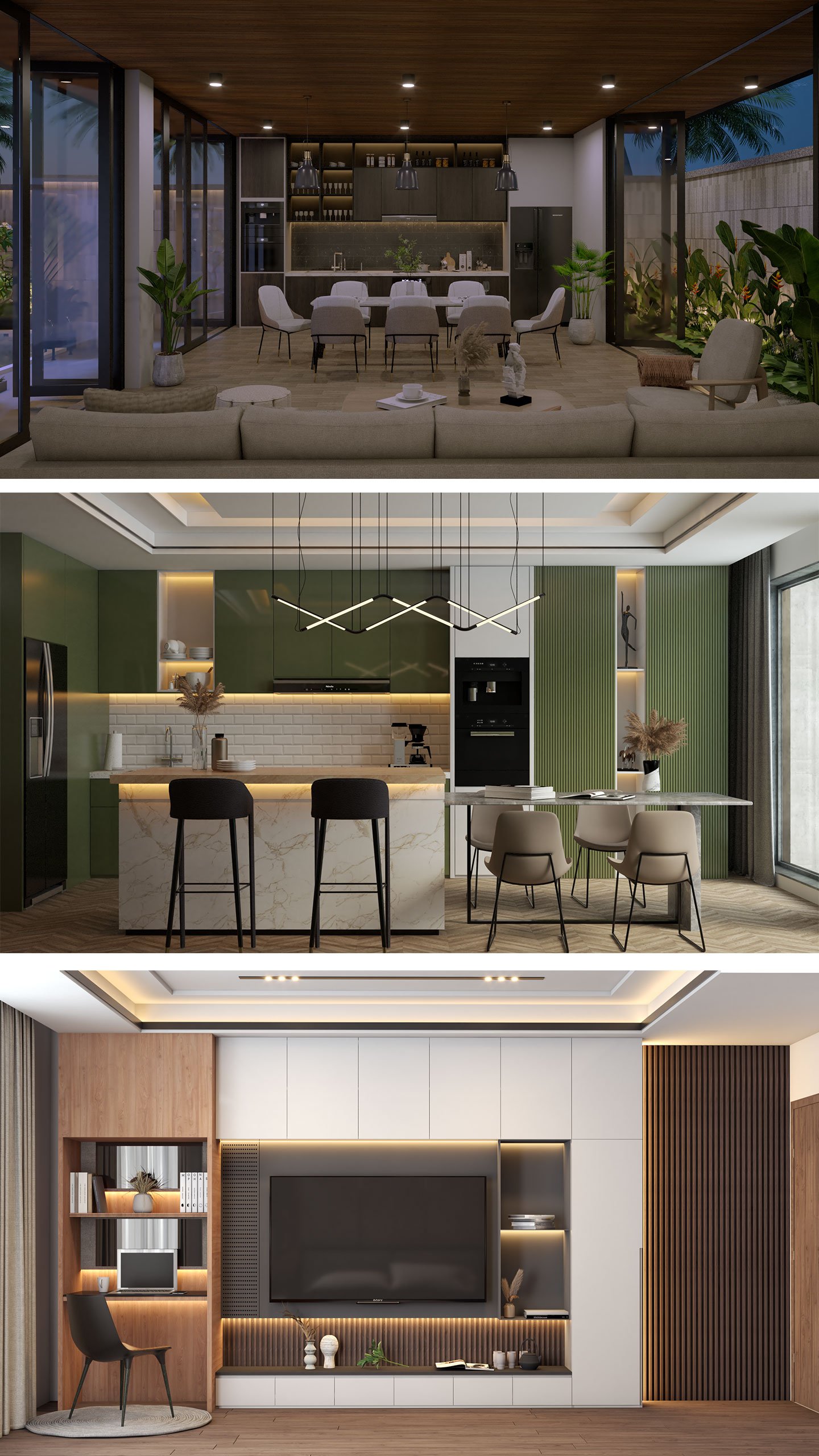
Lighting and space planning play an important role in creating comfortable and functional interiors. Natural lighting from large windows, glass doors, and skylights can make rooms feel brighter and more spacious while connecting indoor areas with the outdoors. Artificial lighting should also be carefully selected to create the right atmosphere for different activities.
Effective space planning ensures that furniture, circulation areas, and storage solutions are arranged efficiently. In residential and commercial properties, thoughtful layouts help maximize available space while maintaining comfort, accessibility, and functionality. Combining practical arrangements with suitable furniture and lighting creates interiors that are both attractive and convenient for everyday use.
Bringing Interior Design Concepts to Life with A1 Bali Design
Developing a successful interior design requires more than choosing attractive furniture or decorative finishes. It involves understanding the property’s architectural character, the client’s preferences, the intended use of each space, and the relationship between different design elements. At A1 Bali Design, thoughtful design means bringing together aesthetics, functionality, material selection, lighting, and spatial planning to develop interiors that reflect each property’s identity and purpose.
Every project has different requirements, whether it involves designing a modern private residence, a tropical villa, or a commercial property. A carefully developed interior concept helps establish a clear direction for the overall appearance and functionality of the space. From selecting suitable materials and coordinating color palettes to arranging furniture and optimizing room layouts, every detail contributes to the final result. The goal is to create interiors that are visually harmonious, practical, and suitable for the way people live and interact with their surroundings.
With the right design approach, an ordinary interior can be transformed into a distinctive environment that offers comfort, character, and lasting appeal. Whether you are planning a new property or looking to improve an existing space in Bali, A1 Bali Design can help you explore creative design possibilities that align with your vision.